Introduction
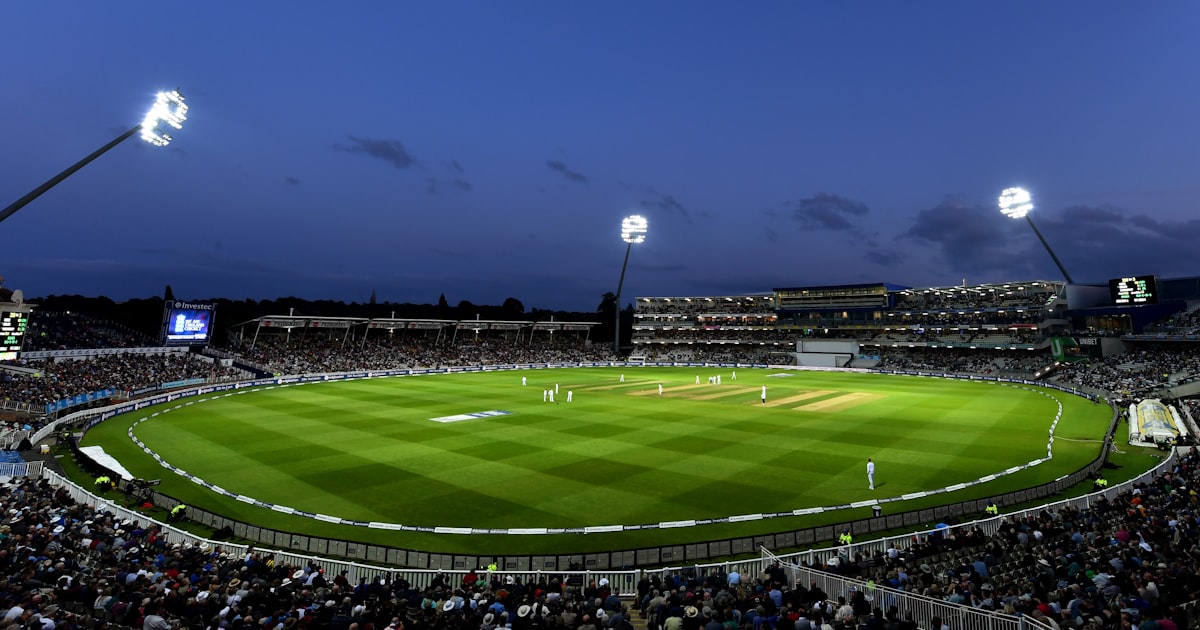
Running a 60,000-seat stadium is unlike managing any other facility on the planet. On a single game day, your team must ensure that 2,400 light fixtures are functional, 800 plumbing fixtures are operational, 150 elevators and escalators pass safety checks, and every fire suppression system is ready to perform. The margin for error is zero. A single failed escalator at gate entry creates dangerous crowding. A dark concourse triggers safety incidents. A broken HVAC chiller during a July sellout becomes a headline.
Facilities directors at major venues have increasingly turned to Computerized Maintenance Management Systems (CMMS) to bring order to this complexity. This guide explains why the standard approaches no longer work, what unique challenges stadium environments create, and what to look for when selecting a CMMS built for the demands of large venue management.
Why Stadiums Cannot Rely on Generic Maintenance Approaches
Many stadium facilities teams began their operations with spreadsheets, paper checklists, and tribal knowledge passed from senior technicians to new hires. Some graduated to basic work order systems originally designed for office buildings or manufacturing plants. Neither approach scales to the operational reality of a major venue.
Consider the scope: a modern NFL or Premier League stadium may contain more than 50,000 individual assets — from structural steel connections and roof membrane sections to concession fryers, AV amplifiers, and restroom hand dryers. Events may run 200 or more times per year across multiple tenants, leagues, and configurations. Each event creates a compressed window of maintenance activity followed by a post-event recovery phase.
Generic CMMS platforms are built around predictable, calendar-driven maintenance cycles. Stadiums operate on event-driven cycles that invert the normal maintenance model. Maintenance teams at venues do not have the luxury of pulling an asset offline for scheduled service on a Wednesday morning if 70,000 fans are arriving Saturday. Every maintenance decision is made in relation to the event calendar, and any CMMS used in this environment must reflect that reality.
The Five Unique Challenges of Stadium Maintenance
1. Event-Driven Maintenance Windows
Venue maintenance does not follow a Monday-through-Friday schedule. It follows a calendar defined by league schedules, concert promoters, and convention bookings — often locked in months or years in advance. Preventive maintenance tasks, inspections, and repairs must all be scheduled during the narrow windows between events.
A 72,000-seat stadium hosting 12 NFL games, 8 concerts, and 6 college events annually may have fewer than 20 full-day maintenance windows during the September-January operating season.
A CMMS for stadiums must allow maintenance planners to view the event calendar alongside the maintenance schedule, automatically flag conflicts, and reschedule tasks without losing PM compliance history.
2. Asset Counts at Enterprise Scale
Most commercial facilities contain thousands of assets. A major stadium or arena contains tens of thousands — and many of those assets exist in identical multiples. There may be 3,200 individual seats in the club level alone, each with its own hardware and upholstery that requires inspection on a defined cycle. There may be 400 identical light fixtures in the concourse, each requiring lamp replacement on a staggered schedule.
Managing assets at this scale requires robust tagging infrastructure — QR codes, barcodes, or NFC tags that allow technicians to scan and access asset history in the field without manual data entry. It also requires asset hierarchy management that lets facilities directors see not just individual asset status but the health of entire systems and zones.
3. Fan Safety and Liability Exposure
A stadium's maintenance failures are not private. When a railing gives way, a concourse floods, or a fire alarm fails to activate, the consequences involve public safety and significant legal liability. Facilities directors must not only perform inspections — they must prove they were performed, document findings, record corrective actions, and retain that documentation in a format accessible to regulators, insurers, and legal counsel.
Paper-based inspection records do not meet this standard. A CMMS with digital inspection forms, photo capture, technician sign-off, and time-stamped records creates the evidentiary foundation required to demonstrate due diligence.
4. Weather Exposure and Exterior Asset Degradation
Open-air and partially covered venues subject structural and mechanical assets to conditions that accelerate deterioration significantly compared to enclosed facilities. Roofing membranes, drainage systems, exterior lighting, turf and field surfaces, and exterior seating all face seasonal degradation cycles that require condition-based maintenance programs rather than purely time-based schedules.
A CMMS for stadiums should support condition-based triggers — allowing a technician's field observation of deteriorating expansion joints, for example, to automatically generate a work order and schedule corrective action before failure occurs.
5. Regulatory and Certification Compliance
Stadium environments intersect with a dense web of regulatory requirements: fire marshal annual inspections, elevator certifications, food service health department inspections, ADA accessibility audits, and OSHA requirements for working at height or in confined spaces. Each of these generates documentation requirements that must be tracked, renewed, and made available on demand.
Missing a single elevator certification renewal in a venue with 40 vertical transport assets can result in a shutdown order on event day.
A CMMS must function as a compliance calendar and document repository — not just a work order system.
How a Purpose-Built CMMS Solves These Challenges
Event Calendar Integration
Leading venue CMMS platforms integrate directly with booking and event management systems, pulling event dates, event types, and tenant configurations into the maintenance planning view. Planners can see at a glance which maintenance windows are available, which PM tasks are overdue, and which upcoming events require specific pre-event readiness checks.
Hierarchical Asset Management
A proper stadium CMMS organizes assets in a hierarchy that mirrors the physical structure of the venue: Building > Level > Zone > System > Equipment > Component. This hierarchy allows a facilities director to query the maintenance status of every asset on the Club Level, or every asset within the HVAC system, or every asset associated with the Field Lighting system — with a single filter.
Mobile-First Technician Workflows
Field technicians in a stadium environment cannot carry laptops. They work in mechanical rooms, on rooftops, in concourse crawl spaces, and in field-level tunnels. A CMMS for stadiums must deliver a mobile application that works in low-connectivity environments, allows offline work order completion with sync on reconnection, and supports QR scanning for asset identification.
Compliance and Inspection Management
Purpose-built venue CMMS platforms include inspection templates for common stadium compliance requirements — fire system inspections, elevator certifications, ADA pathway audits, and food service equipment checks. Results are captured digitally with photos and technician signatures, stored against the relevant asset record, and surfaced in compliance dashboards that show upcoming renewal dates and outstanding deficiencies.
Key Features to Require in a Stadium CMMS
When evaluating CMMS platforms for a stadium or large venue, facilities directors should require the following capabilities:
- Event-aware PM scheduling that prevents maintenance conflicts with bookings and allows calendar-synchronized planning
- Asset hierarchy management with support for 50,000+ assets, bulk import, and QR/NFC tagging
- Mobile offline capability for technicians working throughout a large footprint with inconsistent connectivity
- Digital inspection forms with photo capture, e-signature, and time-stamped audit records
- Compliance tracking with renewal calendars for certifications, permits, and regulatory inspections
- Multi-tenant support for venues that host multiple tenants, leagues, or operators with different maintenance responsibilities
- Reporting and analytics on PM compliance rates, mean time to repair, cost per event, and asset lifecycle costs
- Vendor and contractor management for the network of specialty contractors that stadiums rely on for elevator maintenance, fire systems, and turf management
The ROI of CMMS in a Stadium Environment
The financial case for CMMS investment in a venue environment is compelling. Studies in the facility management industry consistently show that organizations deploying CMMS reduce reactive maintenance costs by 18 to 25 percent within the first year. In a stadium context — where a single reactive repair on event day may require emergency contractor rates and carries the risk of fan impact — the value of prevention is amplified.
Beyond cost reduction, the liability risk management value is significant. A documented, time-stamped maintenance history is the single most effective tool in defending against premises liability claims arising from incidents at public venues.
One NFL franchise reported that implementing a CMMS with digital inspection records reduced their annual insurance premium by $340,000 after demonstrating to their carrier a 94% PM compliance rate across life safety systems.
Conclusion
The complexity of stadium and large venue maintenance management has outgrown the tools that most facilities teams inherited. Event-driven scheduling pressure, enterprise-scale asset counts, fan safety obligations, weather-driven asset degradation, and regulatory compliance requirements all demand a CMMS purpose-built for the venue environment.
The right platform gives facilities directors the visibility, control, and documentation infrastructure to run a 60,000-seat venue with the same operational discipline applied to mission-critical industrial facilities. For teams currently managing with spreadsheets or generic work order tools, the transition to a purpose-built venue CMMS is not an upgrade — it is a fundamental change in operational capability.
Ready to evaluate whether FacilityLane is the right CMMS for your venue? Request a demo and see how our platform handles the specific workflows of stadium and arena maintenance management.